3 min read

Imagine you’re an HR Director for a mid-sized county. You’ve been in your role for about eight years. You’re good at your job. Really good. But lately, you’ve been having the same nightmare on repeat:
You post a position. And wait. Get 15 applications. Realize 13 of them aren't even remotely qualified. Interviews the remaining 2. Neither are great. So you reopen the position. And the cycle repeats.
This type of thing can feel like screaming into the void. Because you know the talent exists. You just can't reach them.
But this isn’t a rare occurrence. This is happening all the time, across all levels of city, county, and state government. And the cost of this nightmare? It's way higher than you think.
The numbers everyone forgets about
Let's talk about what job vacancies actually cost you:
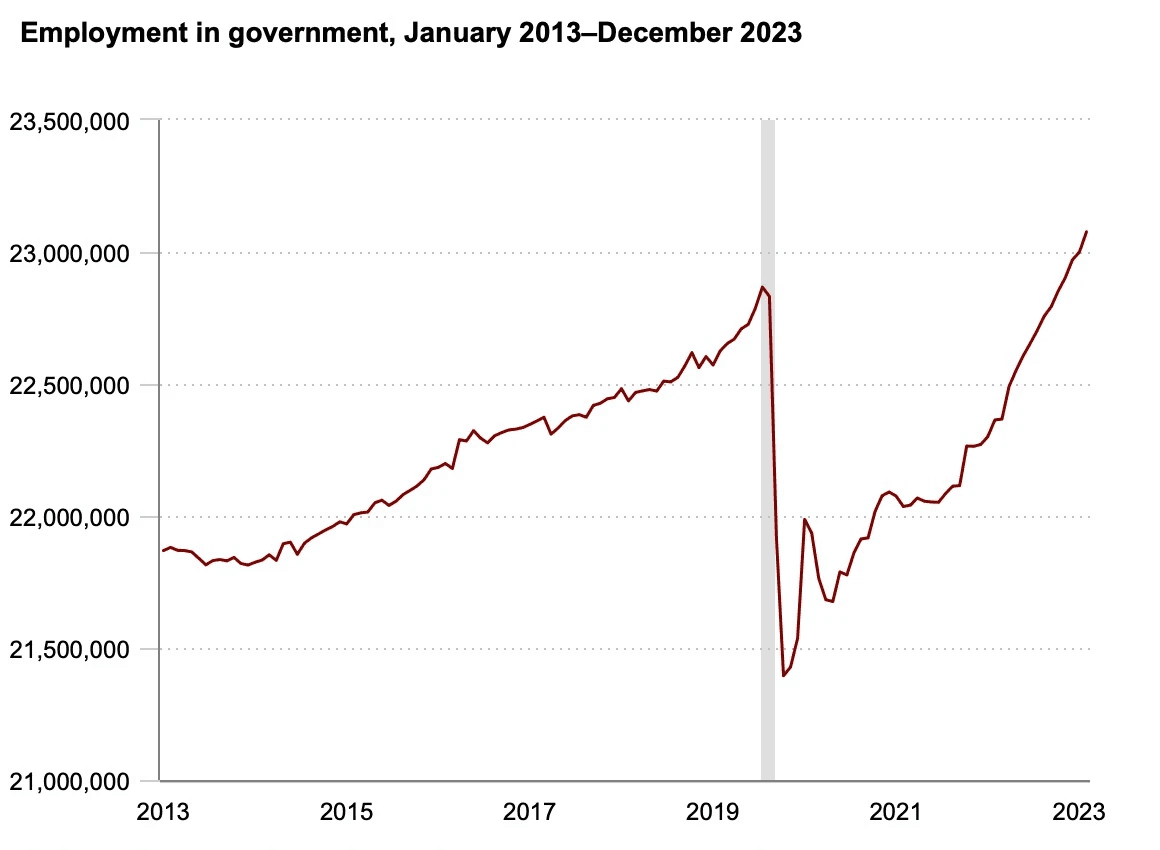
According to federal Bureau of Labor Statistics data, government employment grew by 709,000 jobs in 2023 as agencies worked to recover from pandemic-era losses. But here's the thing: that recovery is happening slowly. Why? Because traditional government hiring processes are built for compliance, not speed.
Every day a critical position sits empty, you lose:
Service quality: Permits take longer. Calls go unanswered. Projects stall. Businesses that would be bringing in tax revenue aren’t, because they can’t open.
Staff morale: Your current team picks up the slack, but burns out faster. This makes them a retention risk, risking them leaving sooner (and taking their expertise with them).
Budget efficiency: You're paying overtime instead of base salary. Consultants instead of employees. Keeping the status quo is costing you more than it ever did.
Opportunity cost: Every hour spent recruiting is an hour not spent on strategic work. Improving the experience for existing staff. Starting new initiatives.
But the hidden cost? The one nobody talks about? You're training your best candidates to ignore you.
The application abandonment problem
Here's what happens when someone tries to apply for a government job:
According to research from Indeed, applications with 20 or more questions lose 40% of candidates. And that's before we even get to the government-specific complexity.
Think about the message you’re currenting sending:
Candidate sees: "Administrative Specialist II, Grade 5"
Candidate thinks: "What does that even mean?"
Candidate clicks anyway (if you're lucky)
Candidate reads: "Performs varied administrative and clerical duties..."
Candidate sees: 30-question application form
Candidate notices: Must create account in separate system
Candidate closes tab. Thinks “if the application is this much work, maybe I don’t want that job...”
You just lost someone who was interested enough to click. That's your warm lead. Gone.
The worst part is, this perception of your role as overly complex and bureaucratic has shaped their perception of your agency. You've taught them that applying to your jobs isn't worth their time.
What this actually costs you
Let's do real math on a real example:
Position: Public Works Coordinator
Salary: $55,000/year
Time vacant: 6 months
Lost productivity: $27,500 (half year salary)
Overtime for coverage: $8,000
Recruiting costs: $4,000 (posting fees, staff time)
Delayed projects: ~$100,000 (varies based on level of government)
Total cost: $139,500
That's nearly three times a full year's salary! Now multiply that across every hard-to-fill
position in your organization.
The fix is simpler than you think
It’s not about getting candidates to care about your mission. Or having competitive benefits. Most government roles have an abundance of these. It’s about clearly communicating what the position is and why a candidate should care about the role.
Take our example above:
Old title: "Public Works Administrative Specialist II, Grade 5"
New title: "Public Works Coordinator – Keep Our City Running Smoothly"
Old description: "Performs administrative and clerical support duties..."
New description: "You play a critical role in coordinating projects to keep our roads fixed, our water clean, and our parks beautiful..."
These are the same job with the same requirements at the same budget. But which one would you apply for?
Quantify what this means for you
You can do a similar calculation to understand what your current vacancies are really costing you:
1. List your open positions that have been posted for over 60 days
2. Calculate: (salary/12) × months vacant
3. Add overtime and recruiting costs
4. Factor in replacing existing headcount from staff burnout
5. Add in costs from delayed projects, differed revenue, or lost opportunities
That number? That's what government jargon is costing you.
The good news is, you can fix this tomorrow. Rewrite one job posting to make it clear what the role actually does. See what happens.
Because right now, you're spending thousands of dollars to create roles that almost ensure that nobody applies. And that's expensive.